Pest control is often associated with spraying, traps, inspections, and the removal of insects or rodents after they have already become a nuisance. While these services are important, there is another side of pest management that deserves more attention: changing the conditions that allow pests to become comfortable in the first place. A home can be clean, attractive, and well maintained while still providing everything an unwanted intruder needs to survive. Warmth, moisture, food, shelter, vegetation, clutter, and tiny structural openings can collectively create an environment where pests can establish themselves before anyone realizes there is a problem. A more effective way to think about pest control is therefore to look beyond the immediate infestation and consider how the home itself can be made less appealing to pests.
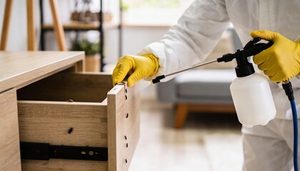
This perspective changes pest control from a short-term reaction into a long-term property management strategy. Instead of waiting for visible activity and then trying to eliminate it, homeowners can learn to recognize the subtle conditions that encourage infestations and address them before they become serious. This does not mean that every home needs constant treatments or that professional pest control is always necessary. It means paying attention to the relationship between the structure, its surroundings, and the pests that may attempt to occupy it. When prevention, monitoring, maintenance, and professional treatment work together, pest management becomes a more practical and sustainable part of caring for a home. Find out more at https://www.rodentretreattexas.com/roof-rat-removal-texas.
A Home Can Be Attractive to Pests Without Looking Unclean
One of the biggest misconceptions about pest control is that infestations are caused primarily by poor housekeeping. Cleanliness certainly matters, particularly when food waste and accessible water are involved, but pests do not need a dirty home to survive. A well-maintained property can still contain small openings, damp areas, sheltered spaces, and accessible resources that attract insects and rodents. This is especially true in homes with aging construction, busy kitchens, storage areas, attached garages, landscaped surroundings, or spaces that are rarely inspected.
Pests are opportunistic. They are constantly looking for environments that provide the resources necessary for survival and reproduction. A small amount of moisture beneath a sink, food particles behind an appliance, or a gap around a utility line can be enough to create an opportunity. Once pests find a reliable source of food or shelter, they may establish pathways that allow them to move between different areas of the property.
Understanding this behavior helps homeowners avoid blaming themselves when pest activity occurs. The better question is not simply, “Why is my home dirty?” but rather, “What conditions are allowing pests to survive here?” That question leads to more useful solutions because it directs attention toward access, moisture, food, shelter, and environmental conditions.
The Real Goal of Pest Control Is Prevention
Eliminating an existing pest population is important, but preventing future activity is often where long-term value comes from. A treatment can reduce visible pests, but if an entry point remains open or a moisture problem continues, the property may remain attractive to new pests. Prevention attempts to break this cycle by removing the conditions that support infestation.
A strong preventive pest control strategy generally involves several interconnected actions. Food should be stored properly, waste should be managed consistently, moisture should be controlled, and structural openings should be identified and repaired. Exterior areas should also be maintained so that vegetation, debris, and standing water do not create unnecessary pest habitat close to the structure.
This approach is especially useful because it recognizes that pests are part of the surrounding environment. The objective is not to eliminate every insect or living organism outside the home. Instead, homeowners should create a clear boundary between the outdoor environment and indoor living areas while reducing the resources that encourage pests to cross that boundary.
Your Home’s Exterior Can Influence What Happens Inside
Pest prevention begins before pests reach the front door. Exterior conditions can strongly influence the likelihood of insects, rodents, and other unwanted creatures approaching a structure. Dense vegetation, accumulated leaves, discarded materials, standing water, damaged fencing, and poorly maintained drainage areas can create hiding places and food sources.
Vegetation that grows directly against exterior walls can also make it easier for some insects to reach openings around windows, roofs, and other structural features. Maintaining reasonable clearance between plants and the building can improve visibility and reduce potential pathways. Outdoor lighting can also influence insect activity, particularly when lights attract flying insects close to doors and windows.
Another important consideration is water management. Leaking outdoor fixtures, clogged drainage areas, and containers that collect rainwater can create conditions favorable to certain pests. Regularly checking these areas can help reduce unnecessary sources of moisture around the property.
A home’s exterior should therefore be viewed as the first layer of pest defense. Keeping this area maintained does not guarantee that pests will stay away, but it can reduce the number of opportunities available to them.
Small Gaps Can Become Major Entry Points
Pests do not necessarily need large openings to enter a home. Insects can take advantage of very small cracks and gaps, while rodents can squeeze through surprisingly narrow spaces. Openings around pipes, cables, vents, doors, windows, foundations, roofing components, and utility connections can become access points.
Because these areas are often overlooked, homeowners may not realize how many potential pathways exist around a property. A periodic exterior inspection can help identify deteriorated seals, damaged screens, gaps beneath doors, cracks, and other vulnerabilities.
Two areas deserve particular attention:
- Entry points around the structure: Check doors, windows, vents, utility penetrations, and other transitions where the building connects to the outside environment.
- Less visible structural areas: Inspect roof edges, crawl spaces, garages, foundations, storage areas, and service openings where pest activity may be difficult to notice.
Sealing these vulnerabilities can be one of the most effective preventive steps because it addresses access rather than simply treating pests after they have entered.
Moisture Is an Invitation Many Pests Cannot Ignore
Homeowners often focus on food when thinking about pest prevention, but moisture can be just as important. Persistent dampness creates favorable conditions for many types of pests and can also contribute to other property maintenance problems. Leaking plumbing, condensation, poor ventilation, standing water, damp storage spaces, and drainage problems should therefore be taken seriously.
Areas beneath sinks and appliances can be particularly easy to overlook because small leaks may remain hidden for extended periods. Bathrooms and laundry areas can also experience elevated moisture, while basements, crawl spaces, and other enclosed locations may have limited ventilation.
The solution is not simply to dry the area after water appears. The underlying source should be identified whenever possible. Repairing leaks, improving ventilation, correcting drainage, and reducing unnecessary humidity can make the property less favorable to moisture-dependent pests.
Moisture control is a good example of why pest control can overlap with general home maintenance. A single repair may reduce pest risk while also helping protect building materials from long-term water-related deterioration.
Kitchens Require More Than Routine Cleaning
The kitchen is naturally one of the most attractive areas of a home for pests because it contains food, water, warmth, and numerous hidden spaces. Even when countertops and floors appear clean, crumbs and residue can accumulate beneath appliances, inside cabinets, around garbage containers, and in other difficult-to-reach areas.
Food should be kept in sealed containers, spills should be cleaned promptly, and waste should be removed regularly. Pet food and other consumable materials should also be stored in ways that limit access. Cabinets and pantry areas benefit from occasional inspection because pest activity can sometimes remain hidden until food packaging becomes damaged.
However, homeowners should remember that sanitation alone cannot solve every pest problem. If insects or rodents have already established nests in inaccessible areas, professional pest control may be necessary. Cleaning helps remove resources, while professional treatment can address an existing population.
Clutter Gives Pests Places to Hide
Clutter is not automatically responsible for pest infestations, but excessive storage can make pest activity more difficult to detect and easier to sustain. Boxes, paper, unused furniture, stacked materials, and crowded storage areas create protected spaces where pests can hide.
This is particularly relevant in garages, attics, basements, sheds, utility rooms, and storage closets. These areas are often visited less frequently than kitchens and living spaces, giving pests more time to establish themselves unnoticed.
Keeping storage organized can improve both pest prevention and early detection. Items should be arranged so that walls, floors, and corners remain reasonably accessible for inspection. Regularly removing unnecessary materials can further reduce potential nesting sites.
An organized storage area also makes professional inspection easier. When technicians can see and access vulnerable areas, they have a better opportunity to identify signs of activity and potential entry points.
Early Warning Signs Should Never Be Ignored
Pest infestations rarely appear overnight. In many cases, there are subtle indications that activity has already begun. Small droppings, damaged packaging, insect wings, shed skins, nesting material, unusual odors, grease marks, or unexplained damage can all provide clues.
A single insect does not necessarily indicate a major infestation, but repeated sightings or multiple types of evidence deserve closer attention. Homeowners should also take unusual sounds seriously, particularly scratching or movement in walls, ceilings, attics, or other enclosed areas.
Early detection creates an opportunity to investigate the source before the problem expands. It is generally easier to address a localized issue than an infestation that has spread through multiple areas of the property.
Professional Pest Control Is About More Than Applying Treatment
Professional pest control should involve more than identifying a pest and applying a product. A thorough approach considers where the pests are active, how they entered, where they may be nesting, what conditions are supporting them, and whether the problem is likely to return.
Inspection is therefore a critical part of professional pest management. A technician can look for evidence that may not be obvious to homeowners and can evaluate both interior and exterior conditions. Based on those findings, the appropriate combination of treatment and prevention can be recommended.
Different pest species behave differently, so treatment strategies should be tailored to the actual situation. Some pests may require targeted applications, while others may be better managed through exclusion, traps, sanitation improvements, monitoring, or a combination of techniques.
The emphasis should be on solving the underlying problem rather than simply making visible pests disappear temporarily.
Integrated Pest Management Creates a More Sustainable Strategy
Integrated pest management takes the idea of prevention a step further by combining multiple methods into one coordinated approach. Instead of depending exclusively on chemical treatments, it considers environmental modification, sanitation, exclusion, monitoring, mechanical control, and targeted treatment when necessary.
This approach recognizes that pest populations are influenced by their surroundings. If conditions remain favorable, eliminating one group of pests may only create an opportunity for another group to move in. Modifying those conditions makes long-term pest management more effective.
Integrated pest management also encourages monitoring. Rather than automatically treating a property on a fixed schedule without considering actual conditions, professionals can use evidence of activity to determine where attention is required. This can make pest control more targeted and practical.
Seasonal Changes Can Alter Pest Behavior
Pest activity can change as environmental conditions change. Temperature, rainfall, humidity, food availability, and breeding patterns can influence where pests search for shelter and resources. At certain times of the year, outdoor conditions may become less favorable, encouraging pests to seek protected indoor environments.
Homeowners can use seasonal maintenance as an opportunity to inspect vulnerable areas. Doors, screens, drainage systems, exterior openings, storage areas, and roof-adjacent spaces can all be checked periodically. Preventive work performed before pest activity increases may help reduce the severity of later problems.
The important point is that pest control does not have to begin when the first major infestation appears. Routine inspection and maintenance can serve as an early defense.
Protecting the Home While Protecting Its Occupants
Pest control is ultimately about more than appearance. Unwanted pests can affect sanitation, food storage, comfort, property condition, and the overall experience of living in a home. Certain infestations can also contribute to contamination or exposure to pest-related allergens and waste.
A healthier approach is to consider pest prevention alongside other aspects of household maintenance. Keeping food secure, controlling moisture, maintaining the structure, organizing storage, and monitoring for early signs all contribute to a more resilient indoor environment.
When professional pest control is needed, homeowners should also consider the importance of appropriate treatment methods and responsible application. Treatments should be selected and applied according to the specific pest problem and the conditions of the property, with appropriate attention given to occupants, pets, ventilation, and label directions.
Making Pest Control a Long-Term Home Strategy
The most effective pest control strategy is rarely based on one dramatic intervention. It is built through a combination of small decisions and timely professional assistance. A sealed opening, repaired leak, organized storage area, properly stored food, maintained exterior, and early inspection may each seem insignificant on their own, but together they can substantially reduce the opportunities available to pests.
Homeowners should also understand that prevention does not mean expecting a property to remain completely pest-free forever. Outdoor insects and other organisms are part of the surrounding environment, and occasional encounters are inevitable. The goal is to prevent those encounters from developing into established indoor infestations.
By approaching pest control as an ongoing form of home care, homeowners can respond to problems more intelligently and reduce unnecessary disruption. Instead of focusing solely on what is visible, they can consider the conditions behind the infestation and address the reasons pests are choosing the property.
A home that is difficult for pests to enter, offers limited food and moisture, provides fewer hiding places, and receives regular attention is naturally more resistant to infestation. Professional pest control can provide targeted expertise when problems occur, while everyday maintenance helps sustain the results. Together, these practices create a practical defense that protects the comfort, cleanliness, and long-term condition of the home.