Countertops are one of the most noticeable and frequently used features in a kitchen, bathroom, laundry area, or other functional space. They provide a practical surface for preparing food, organizing household items, completing daily tasks, and displaying decorative accessories, while also contributing significantly to the overall appearance of a room. Because countertops occupy a substantial amount of visual space, the material, color, texture, edge profile, and design can influence how the entire area looks and feels. Choosing the right countertop is therefore not simply a matter of selecting an attractive surface. Homeowners also need to consider durability, maintenance, moisture resistance, heat exposure, budget, and how the countertop will be used every day.
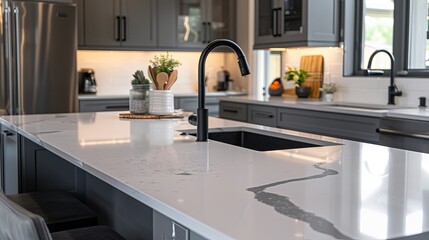
A well-chosen countertop can improve both the functionality and long-term appeal of a space. Modern countertop materials offer a wide range of appearances and performance characteristics, allowing homeowners to find options suited to different design preferences and practical requirements. Whether the goal is a complete kitchen renovation, a bathroom remodeling project, or a simple surface upgrade, understanding the available choices can make the decision much easier. The best countertop is one that balances appearance with performance and continues to meet the needs of the household over time.
Why Countertop Selection Matters
Countertops experience constant use, particularly in busy kitchens and bathrooms. They may come into contact with water, food, cleaning products, hot cookware, sharp objects, heavy appliances, and everyday spills. Because of this, selecting a material based solely on appearance can lead to disappointment if the surface does not match the demands of the room. A countertop that looks beautiful but requires extensive maintenance may not be the best choice for a busy household.
The right countertop should complement the surrounding cabinets, flooring, walls, lighting, and fixtures while also providing the necessary level of durability. Homeowners should think about how frequently the surface will be used and what types of activities will take place on it. A kitchen countertop used for frequent food preparation may require different characteristics from a bathroom vanity that primarily experiences moisture and personal care products.
Popular Countertop Material Options
Countertop materials vary significantly in appearance, cost, durability, maintenance requirements, and installation considerations. Natural stone, engineered surfaces, solid surfaces, laminate, wood-based materials, and other options can provide different combinations of performance and design flexibility. Understanding these characteristics is essential before making a final selection.
Natural stone countertops are often appreciated for their distinctive appearance and substantial feel. Because natural materials can feature unique patterns and variations, each installation may have a character of its own. However, some natural surfaces require periodic maintenance to help protect them from staining and moisture penetration. Homeowners should understand the maintenance requirements before choosing a material.
Engineered countertop materials can provide a more consistent appearance while offering a broad selection of colors and patterns. Some options are designed to resist common household stains and moisture, making them practical for frequently used areas. Solid surface materials can also provide design flexibility and may allow seams to be less noticeable depending on the installation.
Laminate countertops are another option for homeowners seeking affordability and a wide range of visual choices. Modern laminate designs can reproduce the appearance of stone, wood, and other materials while generally requiring straightforward maintenance. The appropriate choice ultimately depends on how the homeowner balances budget, appearance, durability, and upkeep.
Durability Should Be a Major Consideration
A countertop is a long-term investment, so durability should be considered alongside aesthetics. A surface may need to withstand frequent cleaning, accidental impacts, moisture, heat, and everyday wear. Understanding the strengths and limitations of each material can help homeowners choose a countertop that fits their lifestyle instead of selecting a surface that requires more care than they are willing to provide.
Durability does not mean that a countertop is indestructible. Even highly durable materials can be damaged through improper use. Cutting directly on some surfaces, placing extremely hot cookware on unprotected areas, using unsuitable cleaning products, or allowing spills to remain for extended periods can affect the condition of a countertop. Following the manufacturer’s care recommendations and using appropriate protective accessories can help extend the life of the surface.
Countertop Maintenance and Cleaning
Maintenance requirements vary depending on the material. Some countertops can be cleaned easily with mild household cleaners, while others may require specific products or periodic sealing. Homeowners should understand these requirements before installation because maintenance habits can influence how well a countertop looks years after the renovation.
Simple daily habits can make countertop maintenance easier:
- Clean spills promptly. Removing food, beverages, oils, and other substances before they have time to sit on the surface can help reduce staining and buildup.
- Use appropriate protective measures. Trivets, cutting boards, and suitable cleaning products can help protect countertops from excessive heat, scratches, and chemical damage.
Regular cleaning should also focus on more than just visible dirt. Areas around sinks, seams, backsplashes, and appliances can accumulate moisture and debris. Keeping these areas clean and dry can contribute to better overall countertop condition.
Choosing the Right Countertop for a Kitchen
Kitchen countertops need to combine appearance with practical performance because the kitchen is often one of the most active areas of a home. Food preparation, cooking, cleaning, entertaining, and storage can all take place around the countertop. For this reason, homeowners should consider how the surface will interact with their daily routines.
A family that frequently prepares meals may prioritize stain resistance, durability, and easy cleaning. Someone who rarely cooks may place greater emphasis on design and budget. Households with children may also prefer materials that are easy to maintain and capable of handling frequent use. Thinking about these lifestyle factors can help narrow down countertop options more effectively.
Countertop layout is another important consideration. Large uninterrupted surfaces can provide valuable workspace, while appropriately positioned sections can improve the efficiency of meal preparation and cleanup. The relationship between countertops, appliances, sinks, and cabinets should therefore be considered during the planning stage rather than after material selection.
Bathroom Countertops Require Different Considerations
Bathroom countertops experience different conditions from kitchen surfaces. Moisture, humidity, cosmetics, cleaning products, and personal care items are common sources of exposure. A suitable bathroom countertop should therefore provide appropriate moisture resistance while complementing the vanity and overall bathroom design.
Size and layout are also important. A bathroom countertop needs to provide enough space for daily activities without making the room feel crowded. Storage requirements, sink placement, faucet configuration, and available wall space should all be considered when planning the installation.
Matching Countertops With Interior Design
Countertops can become a major design feature or provide a subtle background for other elements. The choice of color and pattern can influence whether a room feels warm, modern, traditional, minimalist, or visually dramatic. Homeowners should consider the entire room rather than choosing a countertop in isolation.
Cabinet color is particularly important because countertops and cabinets occupy significant portions of the same visual field. Contrasting colors can create a stronger focal point, while complementary tones can produce a more seamless appearance. Flooring, backsplash materials, hardware, lighting, and wall finishes should also be considered to ensure the final design feels cohesive.
Professional Countertop Installation
Even high-quality countertop materials can produce disappointing results when installation is poorly executed. Accurate measurements, proper support, precise cuts, carefully finished edges, and correct sink openings are essential to achieving a professional appearance. Installation can also involve challenges around walls, corners, plumbing fixtures, appliances, and existing cabinetry.
Working with an experienced countertop professional can help reduce installation problems and ensure that the selected material is appropriate for the intended application. Professional installers can also identify potential issues before fabrication and help homeowners understand preparation requirements. Proper installation not only improves appearance but can also contribute to the countertop’s long-term performance.
Planning Your Countertop Investment
Budget is an important part of countertop selection, but homeowners should avoid focusing exclusively on the initial purchase price. The total cost may include materials, measurements, fabrication, edge treatments, sink cutouts, installation, removal of existing surfaces, and other project requirements. Maintenance and expected longevity should also be considered when comparing options.
A more affordable material may be appropriate for one household, while another may benefit from investing in a premium surface designed for heavy daily use. The goal is to find the best balance between cost, durability, appearance, maintenance, and expected lifespan.
Conclusion
Countertops play a major role in the appearance and functionality of kitchens, bathrooms, and other areas of the home. Choosing the right surface requires more than selecting a color that looks attractive. Homeowners should consider how the countertop will be used, how much maintenance it requires, how well it can withstand everyday conditions, and how effectively it complements the surrounding design.
With careful planning, the right countertop can become a durable and attractive part of a home for many years. By comparing materials, considering lifestyle requirements, establishing a realistic budget, and investing in proper installation, homeowners can create surfaces that provide both everyday convenience and lasting visual appeal. A successful countertop project ultimately brings together practical performance and thoughtful design, turning an essential household surface into an important part of the overall living space.