Welding: Shaping the Future with Precision and Strength

Welding has long been a cornerstone of modern manufacturing and construction, offering a combination of precision, durability, and versatility that few other techniques can match. From the towering skyscrapers in urban centers to the smallest industrial components, Welding Boise Idaho plays a critical role in connecting metal pieces with strength and accuracy. As industries continue to evolve, welding has expanded beyond its traditional applications, embracing technological advancements and innovative methods that are shaping the future of design and fabrication. Understanding the nuances of welding—its processes, applications, and benefits—is essential for anyone involved in construction, manufacturing, or metalworking.

At its core, welding is the process of joining two or more metal pieces by applying heat, pressure, or both to form a permanent bond. This process can be performed using a variety of methods, each tailored to specific materials, thicknesses, and project requirements. Traditional welding methods, such as arc welding and gas welding, remain widely used for their reliability and effectiveness, while newer techniques, including laser welding and friction stir welding, offer enhanced precision and efficiency. The adaptability of welding allows it to be applied across countless industries, from construction and automotive manufacturing to aerospace and energy production.

welding

One of the primary advantages of welding is its ability to produce joints that are both strong and durable. Properly executed welds create connections that can withstand significant stress, vibration, and environmental exposure. This makes welding an ideal solution for structural components, heavy machinery, and safety-critical applications. Unlike mechanical fasteners, such as bolts or rivets, welded joints distribute load evenly across the connected surfaces, enhancing the overall integrity of the structure. This characteristic is especially important in projects where longevity and reliability are paramount.

Precision is another defining feature of modern welding. Technological advancements, including computer-controlled welding systems and robotic welding arms, have transformed the way metal components are joined. These tools allow for meticulous control over heat application, welding speed, and joint formation, minimizing errors and improving consistency. The result is a higher-quality finished product that meets stringent specifications and design requirements. Precision welding not only enhances the structural performance of a project but also allows for more intricate and aesthetically refined designs, opening new possibilities for architects, engineers, and fabricators.

Welding is also highly versatile in terms of materials and applications. Metals such as steel, aluminum, copper, and alloys can all be welded using appropriate techniques, allowing designers and builders to select materials based on performance, weight, and environmental considerations. This versatility extends to a wide range of projects, from residential stair railings and decorative metalwork to industrial pipelines and large-scale construction frameworks. With the ability to join metals of varying thicknesses and compositions, welding provides solutions that are both practical and adaptable.

Safety is a critical aspect of welding that cannot be overlooked. Skilled welders must adhere to strict safety protocols to protect themselves from high temperatures, intense light, and hazardous fumes. Proper ventilation, protective clothing, and eye protection are essential components of a safe welding environment. Modern welding technologies have also introduced automated and semi-automated systems that reduce direct exposure to potential hazards while maintaining high-quality results. Prioritizing safety ensures that welds are performed effectively without compromising the well-being of workers.

In addition to its structural and functional benefits, welding contributes significantly to design flexibility. The ability to create continuous, seamless connections allows architects and engineers to explore bold and innovative designs. Curved metal structures, custom railings, and intricate frames can be fabricated with precision, transforming simple metal elements into striking architectural features. Welding’s capacity to combine strength with aesthetic potential is one of the reasons it remains a central technique in both industrial and artistic applications.

Several key factors often guide the selection of welding techniques and processes:

  1. Material compatibility, ensuring that the chosen welding method matches the type and thickness of metal used.
  2. Project requirements, including load-bearing capacity, environmental conditions, and desired appearance.

Evaluating these factors carefully allows designers and fabricators to select the optimal welding approach, balancing performance, durability, and efficiency.

Durability is a defining advantage of welded structures. When properly executed, welds resist cracking, fatigue, and environmental degradation. Protective coatings and finishing processes further enhance longevity by preventing corrosion and surface damage. This durability makes welded components an excellent long-term investment, particularly in applications that experience heavy use or exposure to harsh conditions. From industrial machinery to architectural installations, welded structures maintain their strength and functionality over decades with minimal maintenance.

Innovation in welding technology has also transformed production efficiency. Robotic welding systems, for example, can operate continuously with consistent quality, reducing production times and lowering labor costs. Computer-aided welding software allows for precise modeling and simulation of welds before actual production begins, minimizing errors and material waste. These technological advancements not only improve quality but also enhance sustainability by optimizing resource use and reducing environmental impact.

Another significant advantage of welding is its ability to integrate with other fabrication processes. Welded joints can be combined with mechanical fasteners, adhesives, or modular assembly techniques to create hybrid solutions that meet complex design and performance criteria. This integration allows for greater flexibility in construction and manufacturing, enabling innovative solutions that would be difficult to achieve with any single method alone.

Welding also supports scalability across projects of varying sizes. From small-scale metal fixtures and decorative items to large-scale bridges and industrial frameworks, welding techniques can be adapted to meet the demands of the project. Modular welding systems and precise fabrication methods ensure that joints remain strong and consistent, regardless of project complexity. This scalability makes welding an indispensable tool for architects, engineers, and manufacturers seeking reliable solutions across diverse applications.

Environmental and economic considerations further reinforce the value of welding. Many metals used in welding are recyclable, and the long lifespan of welded components reduces the need for frequent replacement. Advanced welding techniques minimize material waste and energy consumption, making the process more sustainable than traditional mechanical assembly methods. From both a financial and environmental perspective, welding represents a forward-thinking approach to construction and manufacturing that aligns with modern demands for efficiency and responsibility.

Welding is also an essential contributor to safety in critical structures. Properly welded joints ensure that buildings, vehicles, and machinery can withstand mechanical stress, vibrations, and extreme environmental conditions. In applications such as pipelines, pressure vessels, and industrial frameworks, precision welding is crucial for preventing structural failures and ensuring operational safety. The combination of skill, technology, and adherence to industry standards ensures that welded structures perform reliably under a wide range of conditions.

Design innovation and welding go hand in hand in contemporary architecture. Welded components can be crafted into flowing curves, geometric patterns, or intricate latticework, transforming functional elements into visual highlights. This design freedom allows metal structures to serve dual purposes: providing structural support while contributing to the overall aesthetic character of the space. By embracing the creative possibilities of welding, designers can push boundaries and redefine traditional notions of metalwork.

A second set of considerations often influences the planning and execution of welding projects:

  1. Environmental conditions, such as exposure to moisture, temperature fluctuations, or corrosive substances.
  2. Maintenance and inspection needs, ensuring that welded structures can be monitored and preserved over time.

Addressing these considerations during the design phase helps prevent potential issues and ensures the long-term performance of welded components.

In conclusion, welding is a fundamental process that continues to shape the future of manufacturing, construction, and design with unmatched precision and strength. Its combination of durability, versatility, and aesthetic potential makes it an indispensable tool for modern projects. By leveraging advanced technologies, embracing innovative design possibilities, and adhering to safety and sustainability standards, welding transforms raw metal into functional, reliable, and visually striking structures. From industrial frameworks to architectural accents, the impact of welding is far-reaching, demonstrating that the art and science of joining metal will remain a central force in shaping the built environment for years to come.

Welding is more than a method; it is a bridge between imagination and reality, connecting materials, ideas, and possibilities with enduring strength and precision.

How Cabinet Refinishing Can Instantly Upgrade Your Home’s Look

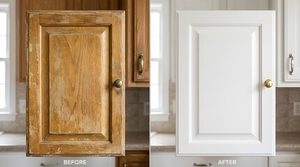
Cabinet refinishing is one of the best ways to upgrade your home without going through the expensive process of replacing cabinets. This solution offers many benefits including a high return on investment, increased resale value and the option to personalize results with custom knobs, handles, and pulls.

While refinishing is a quick and budget-friendly option, it can only last so long before chips and scratches become noticeable. For a more dramatic change, consider Cabinet Refinishing Modesto.

Fresh Paint

cabinet refinishing

Cabinet refinishing is one of the best ways to give your cabinets a facelift. This process involves sanding down your existing cabinets and then applying a new coat of stain or paint. This can dramatically change the look of your cabinets for a fraction of the cost of a complete replacement. However, refinishing requires careful planning and execution to ensure that your cabinets are well-protected from future damage and that the finish lasts for years to come.

Before refinishing your cabinets, it is important to properly clean them. This will help to remove any dirt, grease, or grime that may have accumulated over time. It is also essential to use a gentle cleaning product that is safe for wood. Harsh chemicals can strip the finish, leaving it dull and vulnerable to further damage.

Once your cabinets are clean, they will need to be sanded down in order to create a smooth surface for the new stain or paint. This is particularly important if your cabinets have rough or sharp edges. Using medium-grit sandpaper will help to soften these areas and ensure that the finished product looks flawless. Once the sanding is complete, you can apply a primer to prepare your cabinets for the new stain or paint.

Choosing the right color for your cabinets is key. Be sure to select a color that is neutral and will complement your home?s existing color scheme. Additionally, you should avoid using high-gloss finishes as they are more likely to show scuffs and scratches over time.

If you are looking for a more dramatic change, consider choosing a dark stain or glossy paint. This option can be a great way to make your cabinets look brand-new, but it is important to remember that these finishes will require more frequent touch-ups as they are more susceptible to scratches and water spots.

When it comes to updating your cabinets, refacing is a much more extensive project than refinishing. During this process, you will replace the doors, drawer fronts, and hardware on your existing cabinets. However, the existing frame and structure of your cabinets will remain intact. While refacing can be more expensive than refinishing, it offers the potential for a complete design overhaul and will increase your home?s resale value.

Veneer

Wood veneer is an ideal option for those looking to make their cabinets look more high-end without breaking the bank. Made with more expensive wood over cheaper manufactured materials, cabinet veneer gives a beautiful, rich aesthetic at a fraction of the cost of solid wood.

Wood refinishing professionals often recommend veneer for cabinets that have suffered from the effects of humidity. Humidity changes can cause cabinet doors to warp, swell or even crack over time. Wood veneer is less prone to these fluctuations in temperature and can help prevent damage that could otherwise be costly to repair or replace.

Veneer can be applied to a wide variety of surfaces, including particle board and plywood. It is also easy to install, making it an excellent choice for DIYers who want a quick and affordable cabinet update. The process is simple and requires little more than a sharp utility knife or razor blade, a straight edge and some non-toxic veneer glue.

Aside from the visual appeal of veneer, it offers many practical benefits as well. It is eco-friendly, durable and safe for your family. Unlike most engineered wood products, wood veneers are non-toxic and free of harmful chemicals. It is also sourced from renewable and sustainable forests, which helps to protect the environment.

Whether you choose natural hard or soft wood or more valuable exotic species, wood veneer is available in a wide variety of colors and designs to complement any kitchen design. The grain style, or cut – flat cut, rift cut, quarter cut or rustic planked – is a huge influence on the overall look of any room, and can dramatically change the look and feel of your cabinets.

Hardware

Many homeowners don’t realize that the hardware they use to open their cabinets, drawers, and cupboards can make or break the look of their home. Changing your cabinet knobs, handles, or pulls is a simple way to add a fresh new look. You can choose from a variety of different styles and finishes to match your current decor. Just be sure to select durable, high-quality hardware that will stand up to years of use and wear.

Another way to change the look of your kitchen is to restain your cabinetry a darker color. This can be a great option if you want to brighten your kitchen, and it can also improve your home’s resale value if you plan to sell in the future. However, be cautious when selecting a color. Too dark of a stain can cause your cabinets to feel cold and clinical, and lighter colors can make them appear too yellow or too orange. Be sure to conduct regular inspections of your cabinetry and replace hinges, drawer runners, and other internal hardware as needed.

Refacing is a more extensive and expensive project than painting or staining. It involves removing the existing doors, hinges, and drawer fronts before adding a layer of veneer to the face frames and sides of the cabinet boxes. You can then install new cabinet doors and drawer fronts, which will instantly transform the appearance of your kitchen. It’s best to work with a professional when undertaking this type of project, as it requires advanced skills.

If your cabinetry is worn and outdated but in good structural condition, refacing may be the best option. It can be less expensive than a full replacement or refinishing, and it still allows you to completely revamp the style of your kitchen without changing the basic layout.

Both refinishing and refacing can help give your cabinets a whole new look that will impress guests and family members alike. By following some simple maintenance tips, such as regularly cleaning your cabinets with a mild cleaner and avoiding harsh chemicals, you can extend the life of your new finish and keep it looking beautiful for years to come.

Stunning Countertop Designs to Elevate Any Space

Countertops are more than just functional surfaces; they are central design elements that define the look and feel of kitchens, bathrooms, and other living spaces. The right countertop design can transform a plain room into a stylish and inviting area. With countless options in materials, colors, and finishes, choosing the perfect countertop requires a balance of beauty, durability, and practicality.

countertop

The Importance of Countertop Design

Countertops serve as both workspaces and focal points. In kitchens, they handle heavy use, from meal preparation to entertaining guests. In bathrooms, they create a clean and polished aesthetic. Because of their visibility and constant use, countertops play a major role in overall home design.

A well-chosen countertop enhances the flow of a room, complements cabinetry, and adds long-term value to the property. With so many design choices available, homeowners and designers can create personalized looks that reflect both functionality and style.

Popular Countertop Materials

When selecting countertops, material choice is one of the most important factors. Each option offers its own look, durability, and maintenance requirements.

  • Natural Stone: Elegant and timeless, natural stone countertops bring sophistication with unique veining and patterns. They are known for their strength and luxury appeal.
  • Engineered Stone: These surfaces mimic the look of natural stone while offering consistency in design and easy maintenance. They are ideal for busy kitchens.
  • Wood and Butcher Block: Warm and inviting, wood countertops add character and a natural touch to spaces. They are especially popular in rustic or farmhouse-style designs.
  • Concrete: Modern and customizable, concrete countertops can be stained, polished, or textured to achieve a wide variety of looks.
  • Laminate: A cost-effective option available in endless colors and patterns, laminate has improved over the years to offer stylish and durable designs.
  • Metal: Stainless steel and other metal countertops provide a sleek, contemporary appearance that is often used in professional-style kitchens.

The choice depends on personal preference, lifestyle needs, and overall design goals.

Color Trends in Countertop Designs

Color plays a key role in countertop design. Neutrals remain popular for their timeless appeal, but bold choices are becoming increasingly common.

  • White and Light Tones: Create an airy, clean look and pair well with nearly any cabinet color.
  • Gray Shades: Offer a modern, sophisticated feel that complements both warm and cool palettes.
  • Bold Dark Colors: Deep blacks, blues, or greens create striking contrasts and dramatic focal points.
  • Warm Earth Tones: Natural browns, tans, and beiges add coziness and pair beautifully with wood accents.
  • Patterned Surfaces: Marbled, veined, or speckled designs add texture and movement, giving countertops a unique identity.

Color selection sets the mood of a space, making it one of the most influential design decisions.

Countertop Finishes That Make an Impact

Finish options can dramatically change the look and feel of countertops.

  • Polished Finish: Offers a glossy, reflective surface that enhances brightness and luxury.
  • Matte Finish: Creates a soft, understated look that is increasingly popular for modern designs.
  • Textured Finish: Adds tactile interest, with options like leathered or honed surfaces providing unique appeal.
  • Sealed or Coated: Protects porous materials like stone or wood while enhancing natural beauty.

The right finish not only impacts aesthetics but also affects durability and ease of maintenance.

Countertops for Kitchens

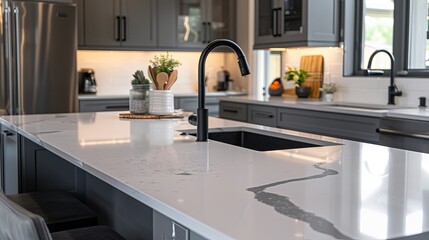
Kitchen countertops must balance style with practicality. Since they endure heavy use, durability and resistance to stains, scratches, and heat are key considerations. Large kitchen islands often become the centerpiece of the room, so countertop design for these areas can make a major visual impact. Waterfall edges, multi-material combinations, and bold veining patterns are trending choices that blend function with artistic expression.

Countertops for Bathrooms

Bathroom countertops require materials that can withstand moisture and humidity. Sleek and smooth surfaces are ideal for maintaining a clean and fresh look. Floating vanities with integrated sinks are gaining popularity, offering a modern and seamless appearance. Neutral colors and polished finishes are common for bathrooms, as they create a spa-like environment.

Creative Countertop Design Ideas

For those looking to make a statement, there are endless creative possibilities:

  • Waterfall Edges: Extending the countertop material down the sides of islands or cabinets creates a bold and luxurious effect.
  • Mixed Materials: Combining wood with stone or metal with concrete adds visual interest and texture.
  • Custom Inlays: Decorative inserts or contrasting strips provide unique patterns and artistic flair.
  • Integrated Sinks: Seamless sinks formed from the same material as the countertop create a sleek and modern look.
  • Backlit Countertops: Using translucent materials with hidden lighting creates a striking visual centerpiece.

These design approaches allow countertops to serve as works of art within a room.

Maintenance Considerations

Choosing a countertop design also means considering long-term maintenance. Some surfaces, like natural stone and wood, require sealing and regular care. Others, like engineered stone and laminate, are low-maintenance and easy to clean. When selecting a design, it is important to balance aesthetic preferences with practical upkeep.

Daily care, such as wiping surfaces with mild cleaners and avoiding harsh chemicals, helps preserve countertop beauty and extend lifespan. Cutting boards, trivets, and proper sealing go a long way in preventing damage.

Eco-Friendly Countertop Options

Sustainable countertop designs are gaining traction among environmentally conscious homeowners. Recycled glass, reclaimed wood, and eco-friendly composites provide stylish alternatives that reduce environmental impact. These materials often combine durability with unique visual appeal, making them both functional and responsible choices.

Countertop designs are central to creating stylish, functional, and welcoming spaces. With endless options in materials, colors, finishes, and creative applications, countertops can be customized to reflect any design vision. Whether for a busy kitchen, a serene bathroom, or a unique feature area, the right countertop transforms both the look and feel of a room.

By balancing beauty with practicality, investing in high-quality countertop designs ensures lasting performance and timeless style. With modern innovations, eco-friendly options, and creative ideas, countertops are no longer just surfaces—they are statements of design and lifestyle.

Professional Roof Rat Services and How They Protect Homes and Buildings

Roof rats are one of the most challenging rodents to manage once they establish themselves inside a structure. Their climbing ability, intelligence, and preference for elevated nesting areas allow them to access rooftops, attics, and upper levels with ease. When left unchecked, roof rat infestations can quickly lead to serious health concerns, extensive property damage, and recurring problems that are difficult to resolve. Professional roof rat services are designed to address these risks through comprehensive strategies that focus on both removal and long-term protection for homes and buildings.

roof rat

Unlike basic rodent control efforts, professional Roof Rat Removal Service Texas takes a preventative and structural approach. The goal is not only to eliminate active infestations but also to safeguard the property against future intrusion. By understanding roof rat behavior and targeting the specific vulnerabilities of buildings, these services play a vital role in maintaining safe, clean, and secure environments over time.

Understanding Roof Rat Behavior and Why It Matters

Roof rats differ from other rodents in their habits and preferred environments. They are agile climbers that favor high places such as roofs, attics, ceiling voids, and wall cavities. Their ability to travel along fences, trees, utility lines, and rooftops allows them to enter buildings from above, often bypassing ground-level defenses.

Roof rats are also nocturnal, which means most of their activity occurs at night when detection is less likely. During the day, they remain hidden in nests built from insulation, fabric, or other soft materials. These behaviors make infestations difficult to identify early, allowing populations to grow unnoticed. Professional roof rat services are built around these behavioral patterns, ensuring that inspections, removal methods, and prevention strategies are appropriately targeted.

How Roof Rat Infestations Develop Over Time

Roof rat infestations often begin with a single entry point and gradually expand as the rodents find food, water, and shelter. Small gaps along roofs, vents, eaves, or utility openings provide easy access. Once inside, roof rats establish nesting areas close to reliable food sources, which may include stored goods, waste, or even nearby vegetation.

As the infestation grows, roof rats create established travel routes within the structure. Over time, their presence becomes more destructive, increasing the risk of contamination and damage. Professional roof rat services interrupt this progression early by identifying access points and nesting zones before infestations become widespread.

Common Warning Signs That Roof Rat Services Are Needed

Early detection is essential for effective roof rat control, but the signs are not always obvious. Because roof rats inhabit elevated areas, evidence is often found in less frequently visited spaces. Paying attention to these indicators can help property owners act before serious damage occurs.

Some common warning signs include:

  1. Scratching, gnawing, or scurrying sounds in ceilings, walls, or attic spaces, especially at night.
  2. Droppings, nesting materials, or damaged insulation found in upper-level areas.

Additional signs may include gnawed wiring, chewed wood, or unusual odors caused by rodent activity. When these indicators are present, professional roof rat services can provide a thorough assessment and targeted response.

Health Risks Associated With Roof Rat Activity

Roof rats pose significant health risks due to their ability to spread bacteria and contaminate indoor environments. Their droppings and urine can compromise insulation, surfaces, and stored items, creating unsanitary conditions that affect indoor air quality. In enclosed spaces such as attics, airborne particles from rodent waste can exacerbate respiratory issues and allergies.

Food contamination is another major concern. Roof rats frequently travel between unsanitary areas and food storage spaces, increasing the risk of illness. Professional roof rat services help mitigate these risks by removing infestations safely and advising on sanitation practices that reduce exposure to harmful contaminants.

Structural Damage Caused by Roof Rats

Roof rats are responsible for a wide range of structural and material damage. Their teeth grow continuously, forcing them to gnaw on hard surfaces to keep them worn down. Electrical wiring, insulation, wood framing, and plastic components are common targets. Damaged wiring increases the risk of power outages and fire hazards, particularly in attic spaces.

In addition to gnawing damage, roof rats compromise insulation by nesting and contaminating it. This reduces energy efficiency and may require extensive replacement. Professional roof rat services address these risks by stopping infestations early and reinforcing vulnerable areas to prevent further destruction.

Why Professional Roof Rat Services Are More Effective Than DIY Methods

Many property owners attempt to control roof rats using traps or repellents, but these methods often provide only temporary relief. Roof rats are cautious and intelligent, quickly learning to avoid unfamiliar objects. Without addressing entry points and nesting areas, these approaches rarely deliver lasting results.

Do-it-yourself efforts also lack proper monitoring and follow-up. Even if some rodents are removed, new ones can easily enter if access points remain open. Professional roof rat services overcome these limitations by combining removal, exclusion, sanitation guidance, and ongoing monitoring into a cohesive strategy.

The Professional Roof Rat Service Process

Professional roof rat services follow a structured process designed to deliver long-term protection. The first step is a detailed inspection of the property, with special attention given to rooftops, attics, vents, and exterior access points. This inspection identifies signs of activity, nesting locations, and structural vulnerabilities.

Based on the findings, a customized service plan is developed. This plan addresses both the active infestation and the conditions that allowed it to occur. Implementation is followed by monitoring and adjustments to ensure effectiveness. This methodical approach is essential for preventing reinfestation.

Key Components of Professional Roof Rat Services

Effective roof rat control relies on multiple integrated components, each contributing to long-term success. Rather than relying on a single method, professional services combine strategies to address the full scope of the problem.

Core elements typically include:

  1. Targeted population control methods designed around roof rat behavior.
  2. Exclusion techniques that seal access points and prevent future entry.

Additional components often involve sanitation recommendations and environmental adjustments. Together, these measures create a comprehensive defense against roof rat infestations.

Exclusion and Structural Protection

Exclusion is one of the most important aspects of professional roof rat services. Roof rats can enter buildings through extremely small openings, making thorough sealing essential. Common entry points include roof vents, damaged eaves, gaps under shingles, and openings around utility lines.

Professional exclusion methods use durable materials that resist gnawing and environmental wear. By sealing these vulnerabilities, roof rat services prevent new rodents from entering and ensure that removal efforts result in lasting protection for the structure.

Sanitation and Environmental Management

Sanitation plays a critical role in long-term roof rat prevention. Roof rats are attracted to easily accessible food and water sources, including unsecured waste, improperly stored food, and fallen fruit or debris near buildings. Cluttered storage areas and poorly maintained spaces also provide ideal nesting conditions.

Professional roof rat services often include guidance on improving sanitation and environmental management. Proper food storage, regular waste disposal, and maintaining clean, organized spaces significantly reduce the appeal of a property to roof rats.

Monitoring and Ongoing Prevention

One of the defining features of professional roof rat services is ongoing monitoring. Conditions change over time, and new vulnerabilities can develop due to weather, aging structures, or environmental factors. Regular follow-up inspections help ensure that control measures remain effective.

Monitoring also allows professionals to detect early signs of renewed activity and address them before a full infestation develops. This proactive approach is essential for protecting homes and buildings over the long term.

Protecting Residential Properties With Professional Roof Rat Services

Homes provide roof rats with numerous opportunities for access and shelter, particularly through attics, garages, and rooflines. Professional roof rat services for residential properties focus on protecting families from health risks while preserving the integrity of the home.

Customized solutions take into account household routines, storage habits, and safety considerations. Homeowners also benefit from education on prevention practices that support long-term control. With professional assistance, homes can remain secure and comfortable.

Protecting Commercial Buildings From Roof Rat Infestations

Commercial buildings face additional challenges due to their size, complexity, and level of activity. Roof rat infestations in these environments can disrupt operations, damage inventory, and create sanitation concerns. Professional roof rat services for commercial properties emphasize consistency and documentation.

Regular inspections, preventive maintenance, and monitoring help maintain control and reduce risk. Long-term service plans ensure that roof rat issues are managed proactively rather than reactively.

Long-Term Value of Professional Roof Rat Services

Professional roof rat services offer significant long-term value by preventing recurring infestations and minimizing damage. Addressing issues early reduces repair costs, energy loss from damaged insulation, and expenses related to sanitation and cleanup.

Beyond financial benefits, these services provide peace of mind. Knowing that a property is protected by a comprehensive prevention strategy allows owners and occupants to focus on daily activities without ongoing concern about rodent problems.

When to Seek Professional Roof Rat Services

Professional roof rat services should be considered at the first sign of activity. Delaying action allows populations to grow, increasing health and structural risks. Persistent noises, droppings, or visible damage are strong indicators that professional intervention is needed.

Early involvement leads to more efficient control and better outcomes. A professional assessment provides clarity and ensures that appropriate measures are implemented promptly.

Professional roof rat services play a crucial role in protecting homes and buildings from the serious risks associated with roof rat infestations. By addressing both active rodents and the conditions that allow them to thrive, these services deliver effective, safe, and long-term protection.

Through detailed inspections, targeted control methods, exclusion, sanitation guidance, and ongoing monitoring, professional roof rat services help maintain clean, secure, and resilient properties. Investing in these services is a proactive step toward safeguarding health, preserving structural integrity, and preventing future infestations.