Cabinets are among the most noticeable features in a home, particularly in kitchens, bathrooms, laundry rooms, and other spaces where built-in storage occupies a significant amount of visual space. Because cabinets are used every day, their appearance can gradually lose its original appeal. Finishes become faded, surfaces collect scratches and stains, colors begin to feel outdated, and hardware can start to look worn. Yet an aging cabinet finish does not necessarily mean the entire cabinet system needs to be replaced. Cabinet refinishing offers a practical way to transform existing cabinetry and give a room a noticeably fresher appearance without the disruption associated with a complete renovation.
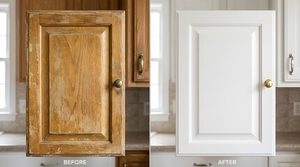
The appeal of Cabinet Refinishing Modesto comes from its ability to combine cosmetic improvement with preservation. Instead of removing cabinets that may still be structurally sound, refinishing focuses on renewing their visible surfaces. Depending on the existing material and finish, the process can involve thorough cleaning, sanding, staining, painting, sealing, or other specialized techniques designed to create a refreshed appearance. When properly completed, refinished cabinets can look dramatically different from their original condition, making the surrounding room feel cleaner, brighter, more coordinated, and more modern.
Why Cabinets Have Such a Strong Effect on Home Appearance
Cabinetry often occupies a large percentage of the visible wall and storage space in a room. This means even relatively subtle changes to cabinet color, texture, or finish can have a significant influence on the overall atmosphere. If cabinets are scratched, discolored, or visually dated, the entire room can appear older even when the flooring, countertops, lighting, and other features remain in good condition.
This is one reason cabinet refinishing can produce such a noticeable transformation. Rather than updating a small decorative feature, refinishing addresses a dominant visual element. A new finish can change how light interacts with the room, create stronger contrast with countertops and walls, and establish a more cohesive design.
Homeowners who like their existing cabinet layout may find refinishing particularly attractive. If the storage configuration already works well, there may be little reason to remove functional cabinets simply because their finish no longer matches the desired style. Refinishing provides an opportunity to improve appearance while retaining a familiar and practical arrangement.
Cabinet Refinishing Can Create a Completely Different Atmosphere
One of the most immediate benefits of cabinet refinishing is the visual change it can create. A darker cabinet finish can make a room feel richer and more dramatic, while lighter tones can help create a brighter and more open appearance. Natural-looking finishes can emphasize wood grain, while painted surfaces can create a cleaner and more contemporary aesthetic.
The transformation does not have to involve dramatic colors. Sometimes a subtle change is enough to make cabinets feel new again. Updating a dated stain, refreshing a faded finish, or choosing a more current neutral tone can make the room appear substantially more polished.
Color should always be considered alongside the rest of the room. Countertops, flooring, walls, backsplashes, appliances, lighting, and hardware all contribute to the final appearance. The best refinishing result is not simply a cabinet color that looks attractive by itself. It is a finish that works naturally with the surrounding design.
Refinishing Versus Replacing Cabinets
Complete cabinet replacement can be appropriate when cabinets are structurally damaged, poorly configured, or no longer suitable for the way a household uses the space. However, replacement is a much larger project than refinishing. It can involve demolition, disposal, new cabinet construction, installation, adjustments, and potential changes to surrounding surfaces.
Cabinet refinishing takes a different approach by preserving the existing cabinetry when its underlying structure remains usable. This can reduce the amount of construction required while still creating a substantial cosmetic transformation. For homeowners satisfied with their current cabinet layout, this distinction can be especially important.
There are several reasons refinishing may be worth considering:
- It preserves usable cabinetry. Cabinets that remain structurally sound can receive a renewed appearance rather than being removed solely because the finish is outdated.
- It can reduce renovation disruption. Refinishing generally focuses on existing cabinet components instead of rebuilding the entire storage system.
The appropriate choice ultimately depends on cabinet condition and the homeowner’s goals. Refinishing should not be used to hide serious structural problems, water damage, severe warping, or other issues that compromise the cabinet itself. A careful assessment should come before deciding whether refinishing or replacement makes more sense.
Proper Preparation Is the Foundation of a Quality Finish
Although cabinet refinishing can transform a room, the quality of the final result depends heavily on preparation. Cabinets are exposed to grease, dust, moisture, cleaning products, food residue, fingerprints, and other substances that can interfere with adhesion. Applying a new coating over a contaminated or poorly prepared surface can result in peeling, uneven coverage, cracking, or premature wear.
A professional refinishing process begins by evaluating the existing cabinet surfaces. Cleaning removes accumulated contaminants, while sanding or other surface preparation techniques help create a suitable foundation for the new finish. Damaged areas may need to be repaired before the refinishing material is applied.
Cabinet doors and drawers are often removed so they can be worked on more effectively. Hardware may also be removed to prevent unwanted coating around hinges, handles, and other components. Taking the time to prepare each surface carefully helps create a more uniform appearance and reduces the likelihood of visible imperfections.
Preparation may take longer than homeowners expect, but it is one of the most important stages of the project. The finish is only as reliable as the surface beneath it.
Professional Refinishing Can Produce a Smoother Appearance
Cabinet surfaces contain edges, corners, profiles, grooves, recessed panels, and other details that make them more challenging to refinish than ordinary walls. Uneven application can become highly visible, particularly when cabinets are viewed from close range and exposed to strong kitchen or bathroom lighting.
Professional cabinet refinishing services have the tools and techniques needed to manage these details. Depending on the desired result and existing cabinet material, professionals may use different application methods to create an even finish. Careful application can reduce brush marks, drips, inconsistent coverage, and other imperfections.
Drying and curing are also important. A cabinet finish may feel dry to the touch before it has fully hardened. Reinstalling doors and drawers or subjecting surfaces to heavy use too soon can result in marks or damage. Allowing adequate curing time helps the new finish develop the durability needed for everyday use.
Wood Grain Can Become a Design Feature
For homeowners with natural wood cabinetry, refinishing provides an opportunity to decide whether the wood grain should remain visible or be covered with a new painted finish. The choice can dramatically influence the character of the room.
Refinishing with a stain or transparent protective finish can emphasize existing grain patterns while restoring depth and consistency. This approach is particularly useful when the wood remains attractive, but the original finish has become dull, scratched, or discolored.
Painting offers a different design direction. A solid color can conceal inconsistencies and provide a clean, uniform appearance. It can also make older cabinetry feel more contemporary without requiring replacement.
The condition and type of wood matter when determining which approach will work best. Some surfaces respond well to staining, while others may be better suited to painting. Professional evaluation can help identify the appropriate method.
Hardware Can Complete the Transformation
Cabinet refinishing can have an even greater impact when combined with updated hardware. Handles, knobs, hinges, and pulls are small details, but they are touched and seen frequently. Worn or outdated hardware can make freshly refinished cabinets appear less cohesive.
Replacing hardware allows homeowners to introduce another layer of style without changing the cabinet structure. Simple hardware can support a minimalist appearance, while more decorative options can contribute to a traditional or transitional design. The hardware should be selected for both visual compatibility and everyday usability.
In some situations, simply changing the hardware can make refinished cabinets appear even more dramatically different. The combination of a renewed surface and updated functional details can create the impression of a much larger renovation.
Refinishing Can Improve the Look Without Changing the Layout
A major advantage of cabinet refinishing is that it allows homeowners to improve visual appeal without sacrificing a kitchen or bathroom layout that already works. Layout changes can be expensive and disruptive, particularly when cabinets are connected to countertops, plumbing, electrical components, flooring, or appliances.
If the current storage arrangement provides enough space and convenient access, retaining it can make practical sense. Refinishing changes the appearance without requiring the homeowner to rethink where everything is located.
This can be especially valuable when the main problem is aesthetic rather than functional. A kitchen can feel outdated because of its cabinet color even though the cabinet arrangement remains perfectly suitable. Refinishing addresses that visual problem directly.
A Fresh Finish Can Complement Other Home Improvements
Cabinet refinishing does not have to be viewed as an isolated project. It can work particularly well alongside smaller improvements that collectively refresh a room. Updated lighting, new hardware, improved organization, a refreshed backsplash, or changes to wall color can complement newly refinished cabinets.
The key is to establish a coherent design direction rather than making unrelated changes. If cabinets receive a contemporary finish but surrounding elements strongly reflect an older style, the room may feel visually inconsistent. Conversely, coordinated updates can make relatively modest improvements feel much more substantial.
Cabinet refinishing therefore provides a useful foundation for broader cosmetic improvements. Once the cabinets have a renewed finish, homeowners may find it easier to identify which additional details genuinely need updating and which can remain unchanged.
Maintaining Refinished Cabinets for Long-Term Results
A newly refinished cabinet surface still requires appropriate care. Kitchen and bathroom cabinets are exposed to moisture, grease, cleaning products, and repeated handling, so regular maintenance can help preserve their appearance.
Homeowners should clean surfaces using methods appropriate for the specific finish and avoid unnecessarily abrasive products. Spills and moisture should be addressed promptly, particularly around sinks and other areas where water exposure is common. Doors and drawers should also be operated carefully to minimize unnecessary impact on the finish and hardware.
Regular maintenance can help protect the investment made in refinishing. Small scratches or hardware issues should be addressed before they become more significant. Proper ventilation can also help reduce excessive humidity in rooms where moisture is frequently generated.
When Professional Cabinet Refinishing Makes Sense
Cabinet refinishing is most effective when the existing cabinets are in reasonably good structural condition but their appearance needs improvement. It can be a strong option for homeowners who want a noticeable change without replacing an entire cabinet system.
Professional assistance becomes particularly valuable when cabinets have complex profiles, multiple existing coatings, difficult surface conditions, or extensive preparation requirements. An experienced refinishing professional can determine whether the cabinet material is suitable for the planned finish and identify any repairs that should be completed before refinishing begins.
Professionals can also help homeowners avoid common mistakes involving incompatible coatings, insufficient preparation, poor color selection, inadequate curing time, and uneven application. The objective is not simply to make the cabinets look better immediately but to create a finish that continues to perform under normal household use.
The Lasting Value of a Cabinet Transformation
Cabinet refinishing can instantly change the way a room looks because cabinetry has such a strong visual presence. A dated kitchen can feel fresher, a bathroom can appear more polished, and an otherwise tired interior can gain a renewed sense of style without requiring a complete renovation.
The most successful refinishing projects begin with realistic expectations and careful planning. Homeowners should assess the condition of their cabinets, consider the desired design direction, select a suitable finish, and prioritize proper preparation. When these elements come together, refinishing can provide an impressive transformation while preserving cabinetry that remains functional and valuable.
Ultimately, cabinet refinishing is about making better use of what is already there. Instead of automatically replacing cabinets because their surfaces have become outdated, homeowners can restore and modernize them through professional preparation and finishing. With the right approach, refinished cabinets can provide a clean, durable, and attractive foundation for the entire room, helping a home look newer and more thoughtfully designed without the scale of a complete cabinet replacement project.