On the hottest day of summer or the coldest night of winter, your comfort depends on a system you rarely see. Behind walls, above ceilings, and outside your home, your heating and cooling equipment works quietly to maintain a consistent indoor temperature. Most of the time, it runs without drawing attention.
That is, until it stops working. Suddenly, the air feels too warm or too cold, and comfort disappears. HVAC maintenance at TAP Heating and Cooling is the key to preventing these disruptions and ensuring your system performs efficiently all year long.
Why HVAC Maintenance Is Essential
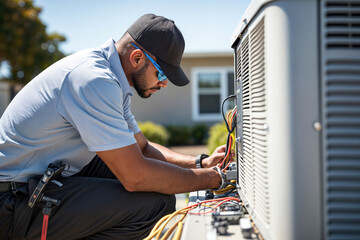
HVAC maintenance is the routine care and inspection of heating, ventilation, and air conditioning systems to keep them operating safely and efficiently. Like any mechanical system, HVAC equipment experiences wear and tear over time. Components collect dust, filters become clogged, and moving parts gradually lose efficiency.
Without regular maintenance, minor issues can escalate into major problems. A dirty filter restricts airflow, forcing the system to work harder. Worn belts or loose connections can cause mechanical strain. Over time, these small inefficiencies reduce performance and increase energy consumption.
Regular HVAC maintenance improves reliability. Systems that receive consistent care are less likely to break down during extreme weather conditions. This proactive approach minimizes unexpected repairs and extends the lifespan of the equipment.
Energy efficiency is another important benefit. Well maintained systems use less energy to achieve the same level of comfort. This translates into lower utility bills and reduced environmental impact.
Investing in HVAC maintenance protects not only your comfort but also your financial investment in the system itself.
Components Checked During HVAC Maintenance
A comprehensive HVAC maintenance service involves inspecting and servicing multiple components. Each part plays a critical role in system performance.
Air filters are one of the most important elements. Over time, filters accumulate dust, debris, and allergens. Replacing or cleaning filters improves airflow and indoor air quality. Neglecting this simple step can strain the system and reduce efficiency.
Thermostats are tested to ensure accurate temperature control. If a thermostat malfunctions, it may cause the system to run longer than necessary or fail to maintain consistent comfort.
Electrical connections are examined for wear and tightness. Loose wiring can cause intermittent operation or safety hazards. Ensuring secure connections promotes reliable performance.
Moving parts such as motors and fans are lubricated to reduce friction. Proper lubrication prevents excessive wear and helps components operate smoothly.
The condenser and evaporator coils are cleaned to remove buildup that can hinder heat exchange. Clean coils allow the system to transfer heat efficiently, maintaining optimal performance.
Drain lines are also checked to prevent clogs and water damage. Proper drainage reduces the risk of mold growth and moisture related issues.
By addressing these components regularly, HVAC maintenance ensures that the system functions as a cohesive and efficient unit.
Seasonal HVAC Maintenance Recommendations
Different seasons place unique demands on HVAC systems. Preparing equipment for these changes helps prevent breakdowns during peak usage.
In the spring, maintenance focuses on preparing the air conditioning system for warmer weather. Cleaning coils, checking refrigerant levels, and inspecting outdoor units ensure readiness for summer heat.
Fall maintenance shifts attention to heating components. Furnaces and heat pumps are inspected, burners are cleaned, and safety controls are tested. Ensuring that heating systems operate safely is especially important as temperatures drop.
During both seasons, technicians evaluate airflow and ductwork for leaks or blockages. Proper airflow enhances comfort and efficiency throughout the home.
Homeowners can also perform simple seasonal tasks. Replacing air filters regularly and clearing debris from around outdoor units supports professional maintenance efforts.
Scheduling maintenance before extreme weather arrives reduces the likelihood of emergency repairs and ensures uninterrupted comfort.
Benefits of Preventative HVAC Maintenance
Preventative HVAC maintenance offers numerous long term advantages. One of the most significant benefits is reduced repair costs. Identifying and addressing minor issues early prevents more expensive damage later.
System longevity is another key benefit. HVAC equipment represents a substantial investment. Regular care extends its operational lifespan, delaying the need for costly replacement.
Improved indoor air quality is often overlooked but equally important. Clean filters and well maintained components reduce dust, allergens, and pollutants circulating through the home. This creates a healthier living environment for occupants.
Consistent performance enhances overall comfort. A properly maintained system delivers even heating and cooling, eliminating hot or cold spots within the property.
Energy savings accumulate over time. Even small improvements in efficiency can lead to noticeable reductions in monthly utility expenses. Preventative maintenance supports sustainable operation and environmental responsibility.
Common Signs Your HVAC System Needs Attention
While routine maintenance is ideal, certain warning signs indicate that immediate attention may be necessary. Unusual noises such as grinding, rattling, or squealing can signal mechanical problems.
Inconsistent temperatures throughout the home may indicate airflow issues or thermostat malfunctions. If certain rooms feel significantly warmer or cooler, the system may require adjustment.
An unexplained increase in energy bills often suggests reduced efficiency. When the system works harder to achieve the same results, energy consumption rises.
Frequent cycling, where the system turns on and off repeatedly, may point to underlying issues that require inspection.
Unpleasant odors coming from vents can indicate mold growth or burnt components. Prompt evaluation prevents further complications.
Addressing these signs quickly reduces the risk of complete system failure and restores optimal performance.
Professional HVAC Maintenance vs. DIY Care
While homeowners can perform basic tasks such as changing filters and keeping outdoor units clear, professional HVAC maintenance provides a more comprehensive approach. Trained technicians have the knowledge and tools to identify subtle issues that may not be visible to untrained eyes.
Professional services include testing system performance, checking refrigerant levels, and evaluating internal components. These tasks require specialized equipment and expertise.
Attempting complex repairs without proper training can lead to damage or safety risks. Working with experienced professionals ensures that maintenance is performed correctly and safely.
Combining routine homeowner care with scheduled professional inspections offers the best protection for HVAC systems.
Conclusion: Investing in Comfort Through HVAC Maintenance
HVAC maintenance is essential for maintaining comfort, efficiency, and system longevity. Regular inspections and preventative care reduce the risk of unexpected breakdowns and extend the lifespan of heating and cooling equipment.
By addressing minor issues before they escalate, homeowners protect their investment and enjoy consistent indoor comfort throughout the year. A well maintained HVAC system operates efficiently, improves air quality, and supports long term savings.
Prioritizing HVAC maintenance is not just about avoiding inconvenience. It is about ensuring that your home remains a comfortable and reliable refuge in every season.